








Why Cyber Safety Is No Longer Optional
Cyber safety and security basics required to protect your data online are no longer technical concerns limited to IT professionals or large corporations. In today’s always-connected digital world, every individual who uses the internet is a potential target. From online banking and shopping to social media, email, and remote work, our personal data and financial information are constantly being transmitted, stored, and accessed online.
Cyber criminals exploit weak security habits, outdated systems, and human error. When data is stolen, the consequences can be devastating—financial loss, identity theft, reputational damage, emotional distress, and long-term recovery challenges. Understanding the basics of cyber safety is the first and most critical step toward protecting yourself and your finances.
This guide explains why cyber security matters, the real-world consequences of data breaches, how to recognise scams, and the practical actions you can take to reduce risk, including the use of strong passphrases, multi-factor authentication (MFA), and a Virtual Private Network (VPN).
What Is Cyber Safety and Security?
Cyber safety and security refer to the practices, tools, and behaviours used to protect digital systems, networks, and personal data from unauthorised access, misuse, or theft.
Cyber Safety vs Cyber Security
While often used interchangeably, there is a subtle difference:
- Cyber Safety focuses on safe online behaviour and awareness
- Cyber Security focuses on technical protections and systems
In practice, both are essential and work together to reduce risk.
Why Cyber Safety Matters More Than Ever
The Growing Scale of Cyber Crime
Cyber crime is increasing globally, driven by automation, artificial intelligence, and the availability of stolen data on underground markets. Criminals no longer need advanced skills—many attacks use pre-built tools and social engineering tactics.
Common targets include:
- Online banking and payment apps
- Email and cloud accounts
- Social media profiles
- Personal identity information
- Home Wi-Fi networks
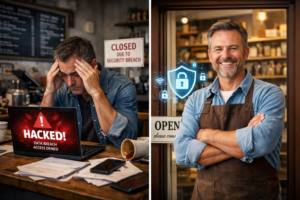
The True Cost of Stolen Data
When personal data is compromised, the impact goes far beyond inconvenience.
Potential consequences include:
- Direct financial theft or fraudulent transactions
- Identity theft and long-term credit damage
- Account takeovers and loss of access
- Emotional stress and loss of trust
- Time-consuming recovery processes
In many cases, victims discover the damage months after the initial breach, when fraudulent activity has already spread across multiple accounts.
How Cyber Criminals Steal Personal Data
Understanding how attacks occur is critical to prevention.
Common Cyber Attack Methods
Phishing Attacks
Fake emails, text messages, or websites designed to trick users into revealing login details or financial information.
Malware and Spyware
Malicious software installed on devices to capture keystrokes, passwords, or sensitive data.
Public Wi-Fi Exploits
Unsecured networks that allow attackers to intercept data being transmitted.
Credential Stuffing
Using stolen usernames and passwords from previous breaches to access other accounts.
Social Engineering
Manipulating people into bypassing security through urgency, fear, or authority.
Recognising Scammers and Online Fraud
You must concentrate on cyber security and safety. Recognising red flags can stop an attack before it succeeds. Cyber security and safety basics required to protect your data online are not really difficult to implement.
Common Scam Warning Signs
Be cautious if a message or website includes:
- Urgent requests demanding immediate action
- Threats of account suspension or legal action
- Requests for passwords, PINs, or verification codes
- Unexpected attachments or links
- Poor grammar or unusual sender addresses
Common Scam Types
- Fake banking or payment alerts
- Tax refund or government impersonation scams
- Prize, lottery, or giveaway fraud
- Tech support scams
- Romance and social media scams
If something feels wrong, pause and verify through official channels.
Protecting Your Personal and Financial Information
Use Strong Passphrases, Not Passwords
Weak passwords remain one of the leading causes of account compromise.
What Makes a Strong Passphrase?
A passphrase should be:
- Long (12–16+ characters)
- Unique for every account
- Easy for you to remember, hard for others to guess
Example:RiverHorseBattery!Cloud92
Avoid using names, birthdays, or reused credentials.
Use a Password Manager
A reputable password manager can:
- Generate strong, unique passwords
- Store them securely
- Reduce the temptation to reuse passwords
The Critical Role of Multi-Factor Authentication (MFA)
What Is Multi-Factor Authentication?
MFA adds an extra verification step beyond your password.
Common MFA methods include:
- One-time SMS or app codes
- Authentication apps (recommended)
- Biometrics (fingerprint or facial recognition)
Why MFA Is Essential
Even if a password is stolen, MFA can prevent unauthorised access.
Benefits of MFA:
- Dramatically reduces account takeover risk
- Adds a critical second layer of defence
- Stops most automated attacks
Enable MFA on all critical accounts, especially:
- Banking and finance apps
- Cloud storage
- Social media
Securing Your Internet Connection
Why Public Wi-Fi Is Dangerous
Public Wi-Fi networks are often unencrypted, allowing attackers to intercept data.
Risks include:
- Session hijacking
- Credential theft
- Data interception
Use a VPN for Online Protection
A Virtual Private Network (VPN) encrypts your internet connection and hides your IP address.
Benefits of Using a VPN
- Encrypts data on public and home networks
- Protects online banking and browsing
- Prevents tracking and surveillance
- Adds privacy when using mobile devices
A VPN is especially important when:
- Using public Wi-Fi
- Accessing sensitive accounts
- Working remotely
- Travelling
Keeping Devices Secure
Keep Software and Devices Updated
Updates often include critical security patches.
Best practices:
- Enable automatic updates
- Keep operating systems current
- Update browsers and apps regularly
Use Security Software
Install reputable security tools that provide:
- Malware and ransomware protection
- Real-time threat detection
- Web and email filtering
Safe Online Habits Everyone Should Follow
Good cyber safety is as much about behaviour as technology.
Essential Online Safety Practices
- Verify before clicking links
- Avoid oversharing on social media
- Back up important data regularly
- Log out of shared devices
- Lock devices with PINs or biometrics
What to Do If Your Data Is Compromised
If you suspect a breach:
- Change passwords immediately
- Enable or reset MFA
- Contact banks or financial providers
- Monitor accounts and credit activity
- Report scams to relevant authorities
Acting quickly can significantly reduce damage.
The Long-Term Value of Cyber Awareness
Cyber safety is not a one-time task. Threats evolve constantly, and staying informed is essential.
Benefits of ongoing cyber awareness include:
- Reduced risk of financial loss
- Greater confidence online
- Protection of personal reputation
- Peace of mind for you and your family
Conclusion: Take Control of Your Online Security Today
Cyber safety and security are fundamental life skills in the digital age. The consequences of stolen data—financial loss, identity theft, stress, and disruption—are too severe to ignore. By understanding the risks, recognising scams, using strong passphrases, enabling multi-factor authentication, and securing your connection with a VPN, you dramatically reduce your exposure to cyber threats.
Call to Action
Take action today:
- Review and strengthen your passwords
- Enable MFA on all key accounts
- Stay alert to scams
- Protect your connection with a trusted VPN
Your personal data and financial security are worth protecting. Stay informed. Stay vigilant. Stay safe online.